top of page


Photo by Kampus Production from Pexels


M&M’S® Halloween Rescue Squad. (n.d.). M&M’S Peanut Milk Chocolate Candies Fun Size 10.57oz. M&M’S® Halloween Rescue Squad. https://mmshalloweenrescuesquad.com/products/m_m_peanut_milk_chocolate_candies_fun_size_10_57oz
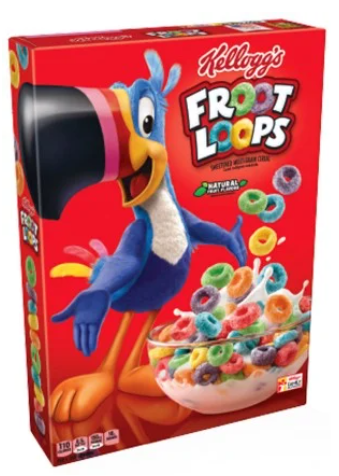
Lecklitner, I. (2018, October 4). What’s in this?: froot loops. MEL Magazine. https://melmagazine.com/en-us/story/whats-in-this-froot-loops


Candies are among the most common products that use artificial food coloring, with M&M's being a prime example. These colorful chocolate treats contain a wide range of synthetic dyes, including Blue 1 Lake, Yellow 6, Red 40, Yellow 5, Blue 1, Yellow 6 Lake, Red 40 Lake, Yellow 5 Lake, Blue 2 Lake, and Blue 2. These dyes are used to create the bright, rainbow-like coating that makes M&M's instantly recognizable and appealing. While the colors are purely cosmetic and don’t alter the taste, concerns have been raised about the potential health effects of consuming multiple artificial dyes, especially in large quantities or over time.
Many popular breakfast cereals, especially those marketed to children, contain artificial food dyes to create their vibrant colors and make them more visually appealing. For example, Froot Loops uses a mix of synthetic dyes including Red 40, Yellow 6, Blue 2, and Blue 1 to give each loop its distinct bright hue. These artificial colorings do not contribute to the flavor or nutrition of the cereal but are added purely for aesthetic purposes. Despite their widespread use, some of these dyes have been the subject of health concerns and ongoing discussions about their impact on children's behavior and health.

Sodas and soft drinks often contain artificial food dyes to give them their bold and recognizable colors. Mountain Dew, for example, gets its signature bright green-yellow color from Yellow 5, a synthetic dye also known as tartrazine. While the dye doesn’t affect the flavor, it enhances the drink’s visual appeal and brand identity. However, the use of artificial dyes like Yellow 5 has raised concerns among some consumers and health experts due to potential links to allergic reactions and hyperactivity in sensitive individuals, particularly children.


The FDA requires food manufacturers to list all ingredients on the label, with the ingredients used in the greatest amount first, followed in descending order by those in smaller amounts.

Ditch The Dye
Menu
Home
About
Contact
Jeff Aguado
Noah Faustino
Sebastian Reales
Ashley Odeste
Mikayla Toribio
Contact Us:
© 2025 by Ditch The Dye.
Created on Wix Studio.

bottom of page