top of page


UHBlog. (2025, February 28). Natural alternatives to artificial food coloring. University Hospitals. https://www.uhhospitals.org/blog/articles/2025/02/natural-alternatives-to-artificial-food-coloring

Stability
Cost


WHY MAKE THE SWITCH?
CHALLENGES
BRANDS
red or pink
yellow or orange
blue or purple
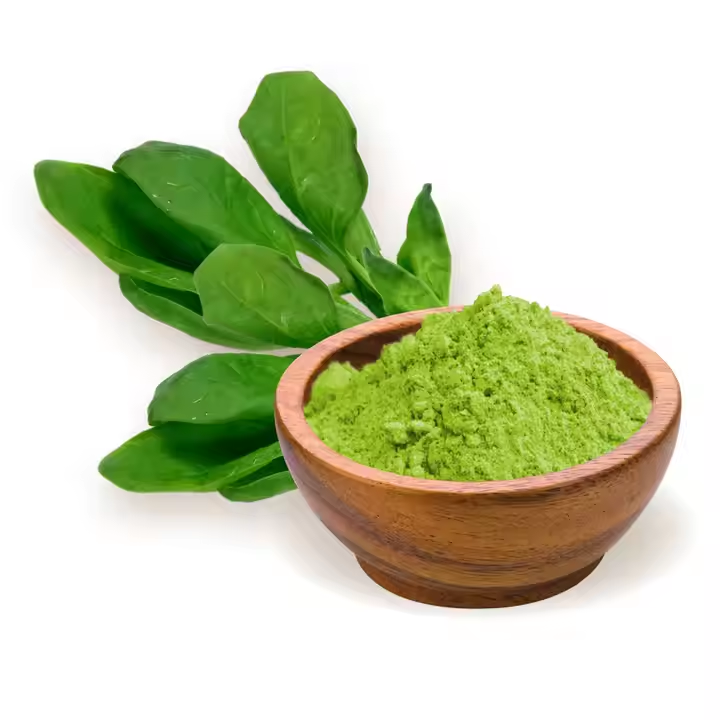
green
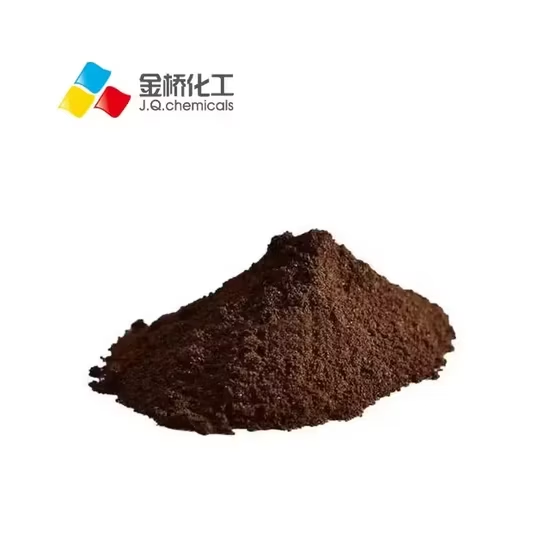
brown
Health and Safety
Customer Appeal
Sustainability
Technical Limitations
Sourcing and Consistency
Nutritional value. Sources like spirulina and spinach provide antioxidants, vitamins, or minerals alongside color.


Matcha imparts an earthy green hue and distinct flavor, suitable for baked goods and beverages. Spinach Powder provides a vibrant shamrock green ideal for frostings and shakes, with a subtle sweetness.


Natural colors are 2 to 5 times more expensive than synthetic alternatives due to complex extraction methods, such as enzyme-assisted processes for chlorophyll, and seasonal variability in crop availability.
Stability
Cost
EXBERRY® is the leading brand of GNT Group, an independent, family-owned company pioneering in plant-based color solutions.
They produce plant-based colors from fruits, vegetables, and algae. Their portfolio includes spinach green and spirulina blue, used in beverages, dairy, and snacks.
Their plant-based colors are endorsed for clean-label products, with applications in organic ice creams and vegan candies.

Specializes in microbial solutions, including natural colorants like carotenoids for dairy and meat products.
Offers paprika-derived reds and turmeric-based yellows for global food brands.
Phytolon partners with Ginkgo Bioworks to develop fermentation-based pigments, creating vibrant, stable hues without crops.
Introduced Natracol Ultra Cran Red, a carmine-free alternative for dairy products.
Reduced adverse reactions. Natural pigments from natural ingredients like beets and turmeric are less likely to trigger allergies or hyperactivity compared to synthetic dyes like Red 40 or Yellow 5.
Clean-label products with simpler ingredients resonate with health-conscious buyers, enhancing brand trust and marketability.
Derived from renewable plant, mineral, or microbial sources, natural colors reduce reliance on fossil fuels and support eco-friendly farming practices.
One source for red or pink dyes is beetroot juice, extracted from beetroots, it delivers a rich red or pink color for sauces, candies, and desserts. Another source is Cochineal (E120), derived from insects, it produces a deep red but is less suitable for vegan diets.
Turmeric offers a bright yellow tone from curcumin, ideal for curries, rice, and baked goods. Annatto (E160b) is another natural source, extracted from achiote seeds, which creates orange shades in cheeses and snacks.


Red Cabbage (Anthocyanins) yields blue or purple hues in acidic environments, used in confections and beverages. Phycocyanin is the blue pigment from spirulina, applied in plant-based dairy alternatives.
Caramel (E150), made from caramelized sugar, it colors sodas, baked goods, and sauces.
Anthocyanins from red cabbage fade under acidic conditions, while carotenoids like paprika degrade when exposed to heat. These sensitivities to light, heat, and pH make maintaining color consistency challenging. Ingredient interactions further complicate formulations, as vitamin C stabilizes carotenoids but destabilizes anthocyanins.
Natural colors have a limited color range, making it difficult to achieve vibrant blues or neon shades without synthetic dyes. Additionally, specialized equipment like microencapsulation is often required to protect pigments during processing.
Seasonal availability of raw materials, such as annatto seeds, causes price fluctuations and inconsistencies in supply, posing challenges for large-scale production.

Ditch The Dye
Menu
Home
About
Contact
Jeff Aguado
Noah Faustino
Sebastian Reales
Ashley Odeste
Mikayla Toribio
Contact Us:
© 2025 by Ditch The Dye.
Created on Wix Studio.

bottom of page